
Getting Fayette County Court Records
Start by naming the court that made the file. One office holds most of the trial work. The Fayette County Circuit Court Clerk keeps Circuit and General Sessions records, which cover felony trials, civil Circuit cases, lower-court appeals, and General Sessions criminal, civil, and traffic matters. Chancery work belongs elsewhere. The Fayette County Clerk and Master holds Chancery records for probate, estates, divorce, adoption, guardianship, equity, name changes, workers' compensation, and delinquent taxes.
- Use the Fayette County case number, party name, court, year, and document title to define the request.
- Call the right Fayette County clerk to confirm custody, current fees, and accepted delivery method.
- Inspect at the counter when that will meet the need, or ask for a plain copy.
- Request certification only when an authenticated copy is required.
- For mail, confirm payment and postage before sending the written request.
Online access is thin here. C-Track works only for appeals. A public courthouse terminal has not been confirmed. Email and fax details exist, but ask each Fayette County clerk whether those routes count as a formal records request.
Pulliam's Fayette Court Files
Ed Pulliam's office sits at 705 Justice Drive, Somerville, TN 38068. Mail goes to P.O. Box 670, and the phone is 901-465-5205. Published hours run Monday through Friday, 8:30 a.m. to 4:30 p.m. That Fayette County office handles Circuit and General Sessions inspection, docket sheets, pleadings, orders, judgments, and certified copies.
Fayette County Circuit Court Clerk
705 Justice Drive
Somerville, TN 38068
901-465-5205
Circuit and General Sessions records
Not sure which office is which? The county's official directory can confirm the Fayette County trial-court clerk. It also helps separate that office from the elected County Clerk, whose vehicle and county-record duties do not make it the keeper of trial-court files.
Fayette Court Record Types
A court file is not one thing. A Fayette County docket is the dated index of activity in a case. Pleadings lay out claims and responses, while motions ask the court to act. Orders and judgments carry the rulings. Returns document service. Exhibits back up the filings but may face added access limits, and a transcript or official recording can sit with a different keeper than the Fayette County clerk.
- Docket sheet
- A chronological list of filed events and settings.
- Pleading
- A complaint, petition, answer, or other formal party filing.
- Order
- A written direction signed or entered by the Fayette County court.
- Judgment
- The formal court record of a decision or relief.
- Certified copy
- A reproduction authenticated by the Fayette County clerk's certification and seal.
Anderson's Fayette Chancery Files
Chancery files have their own home. Amy Anderson's Clerk and Master office is at 16755 Highway 64, Suite 210, Somerville, TN 38068. Mail goes to P.O. Box 220. The phone is 901-465-5219. Hours are Monday through Friday, 8:30 a.m. to 4:30 p.m. Probate, estate, divorce, guardianship, adoption, equity, and tax matters start here. They do not start at the Justice Complex.
This split can produce a false no-record result. Give the Fayette County clerk the case type along with names and the year. Adoption material carries special limits, and a docket request does not override that confidentiality. For an old volume, ask about archive media and which indexes survive.
Inside a Fayette Court Record
What goes in a file? State and municipal sources give the picture. A Fayette County file can show the court, the judge, the case or citation number, the parties, the alleged claim or offense, filed events, settings, costs, collection entries, and appeal activity. Disposition appears too. Moscow Municipal Code offers a local model, listing the defendant, warrant or summons number, offense, fines and costs, collection status, commitment, and other relevant information.
| Header | Court, case number, style, judge, and filed date. |
|---|---|
| Event index | Dated filings, service, motions, notices, orders, and settings. |
| Outcome | Disposition, judgment, sentence, dismissal, or other result. |
| Money entries | Costs, fines, payments, or satisfaction when part of the Fayette County file. |
| Access status | Public, redacted, sealed, or otherwise restricted material. |
Docket Line Versus Fayette Judgment
A docket line and a judgment are different things. A Fayette County docket entry saying judgment was entered only locates the event. The signed judgment holds the court's full terms, and the same split applies to motions, orders, and notices. So name the record and date you want. That beats requesting everything when one document will do.
The official-recording rule explains why recordings can follow a separate route. A Fayette County clerk may hold the case file while a reporter or approved recording custodian handles the transcript or duplicate audio. Confirm custody before you pay.
Fees and Certified Copies
Fees come from the state court-clerk chart effective January 1, 2026. Treat the listed entries as planning figures. Each Fayette County office can explain how the charges apply, so ask for an estimate covering pages, labor, redaction, postage, or special media.
| Service | Published amount | Qualification |
|---|---|---|
| Court document request | $0.50 per page | Confirm local application and total pages. |
| Certification and seal | $5.00 | Separate from copying. |
| Commercial-value computer search | $7.00 | Not automatically a routine case lookup fee. |
| Reopen closed case | $75.00 | a Fayette County case service, not a copy charge. |
| General TPRA black-and-white copy | Up to $0.15 per page | General records guidance may differ from court fees. |
Say exactly what you want: plain inspection, a plain copy, or certification. The Fayette County clerk can tell you whether prepayment is required and when the record can be produced.
Fayette Copy Estimates and Redaction
Inspection is a right; compiling is not. The Tennessee Public Records Act guidance supports inspection of public records. It does not require a Fayette County custodian to create a record that never existed. Ask for an existing docket sheet, order, judgment, or filed item. That focused request works better than asking the office to assemble new facts.
Rossville's official form shows what choices can look like: inspection or copy, an estimate waiver, and pickup, mail, electronic, or other delivery. That city form sets no Fayette court fees or turnaround. It simply shows a Fayette County custodian defining a request. It also shows the delivery route.
Sealed Records and Public Access
Tennessee Supreme Court Rule 34 sets out who may see court records in Tennessee. It also lists which categories stay closed. A sealed or redacted document does not wipe the whole case from view. The docket itself can remain public. Juvenile files, adoption records, expunged matters, protected family information, personal identifiers, and records sealed by order stay confidential. That holds no matter how broad the request is.
Access rule: Ask the custodian what can be inspected, what must be redacted, and whether a Fayette County court order controls access. A no-copy response may apply to one document rather than the whole case.
For an expungement, the TBI expungement resource lays out the state process. Confirm the local filing and the court record itself with the Fayette County clerk where the case began.
Older Fayette Records and Microfilm
Fire struck the Fayette County courthouse in 1925. Because of that loss, an old file may be indexed in an odd way. It may survive only as a copy held somewhere unexpected. The Fayette County Library History Room offers ScanPro access to microfilm for historical research. It cannot certify an active judgment.
Begin with the Fayette County clerk who kept the original case type. Ask about bound books, microfilm, scanned images, legacy numbering, or a transfer to an archive. If the clerk points you toward historical holdings, the library becomes the fallback. A careful Fayette County court record search keeps historical access and official certification separate.
Genealogy and local-history work rewards good notes. Record each source title, volume, page, date, and office that holds the item. A library image can trace a name or an event. A clerk-certified copy carries legal weight. When an old index spells a name differently from a later court paper, give the staff both spellings or numbers.
Fayette Record Request Check
Before trusting any copy, compare its case number, court, filed date, and latest entry against the Fayette County clerk's current index. Ask which office produced it. Ask whether later activity exists too. That check matters most when a Fayette County file moved up on appeal, or when a historical image came from microfilm.
State Routes for Fayette Records
The AOC public resources hub routes users to forms and case-history help.
The hub adds options beyond the Fayette County clerk who holds the trial file. The TBI expungement page lays out the state expungement routes.
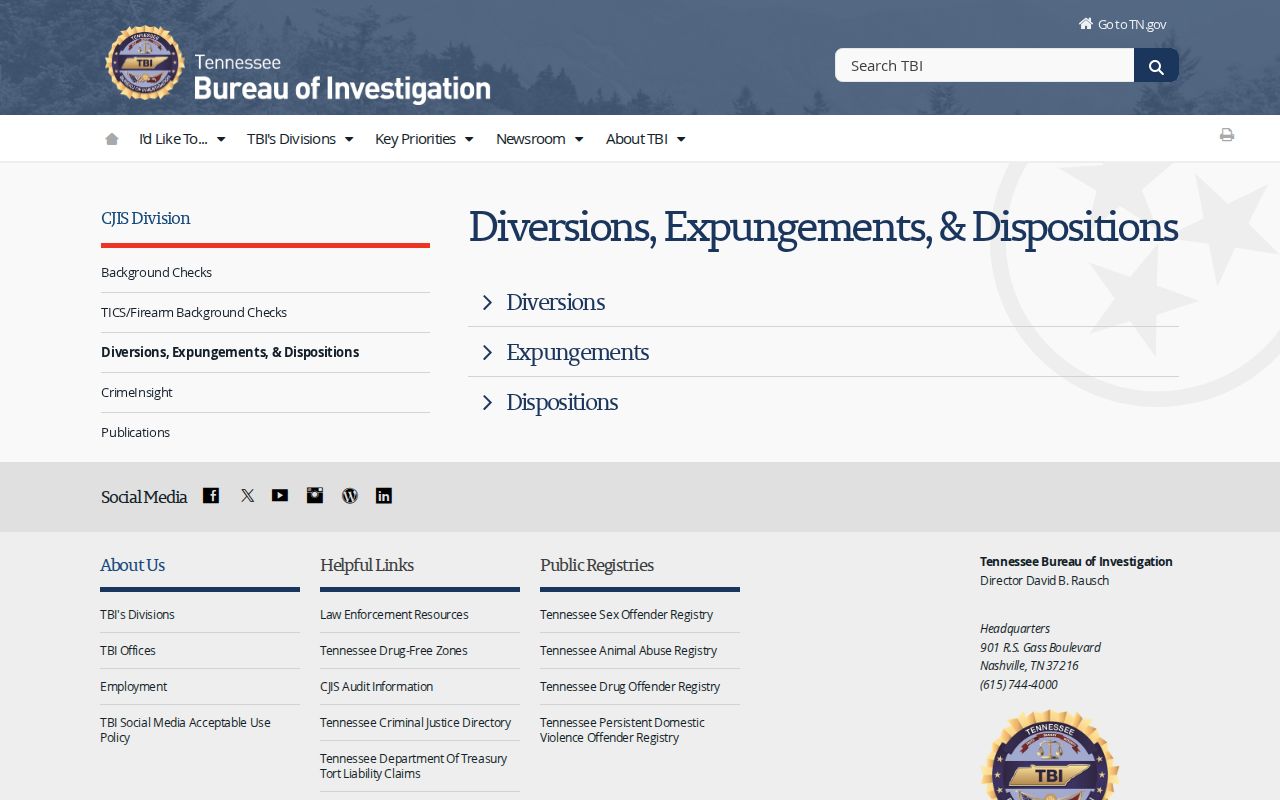
The page explains why an expunged Fayette record may not show up through ordinary docket access. The Court of Criminal Appeals page maps the criminal appellate layer.
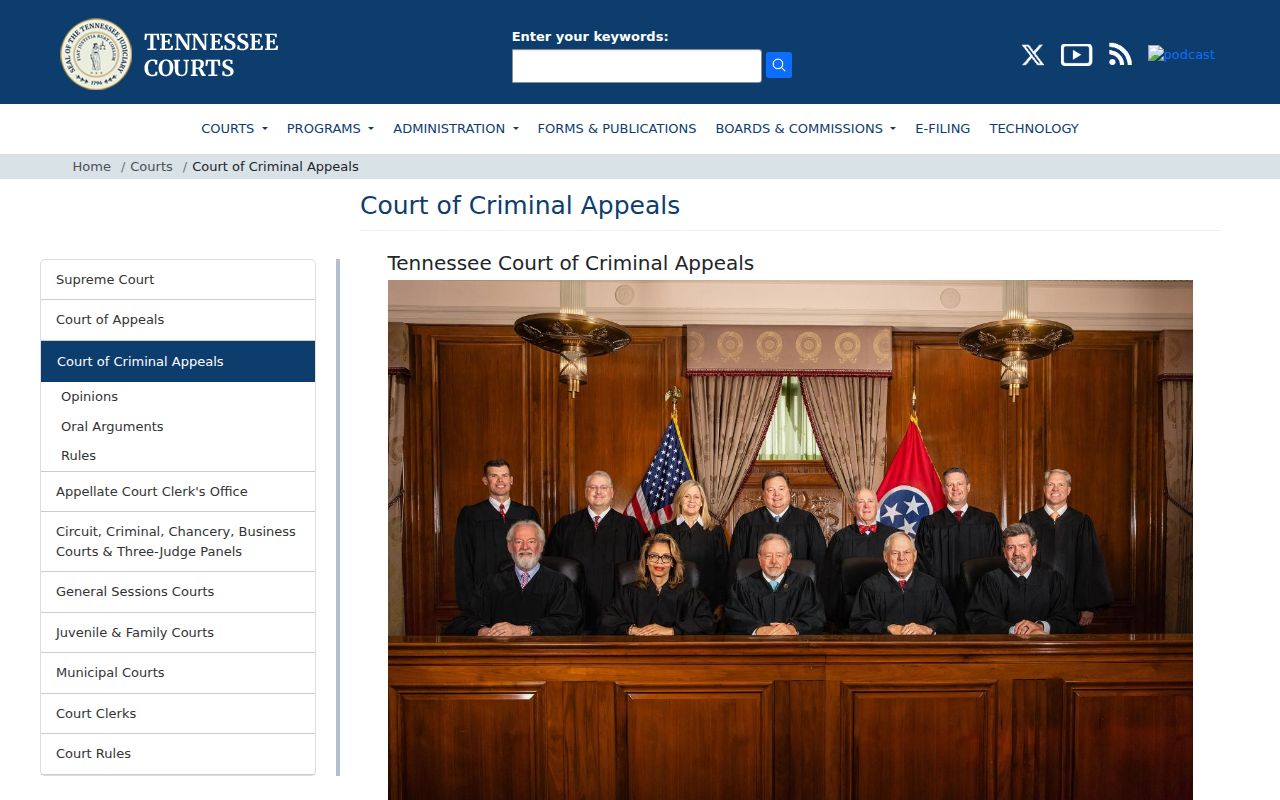
A criminal appeal creates a higher-court record separate from the Fayette trial file. The Court of Appeals page maps the civil appellate route.
The appeal may hold events that a county docket search misses. The public-records FAQ sets out the inspection framework.
That guidance works with Rule 34 and confidentiality orders for each Fayette County file.